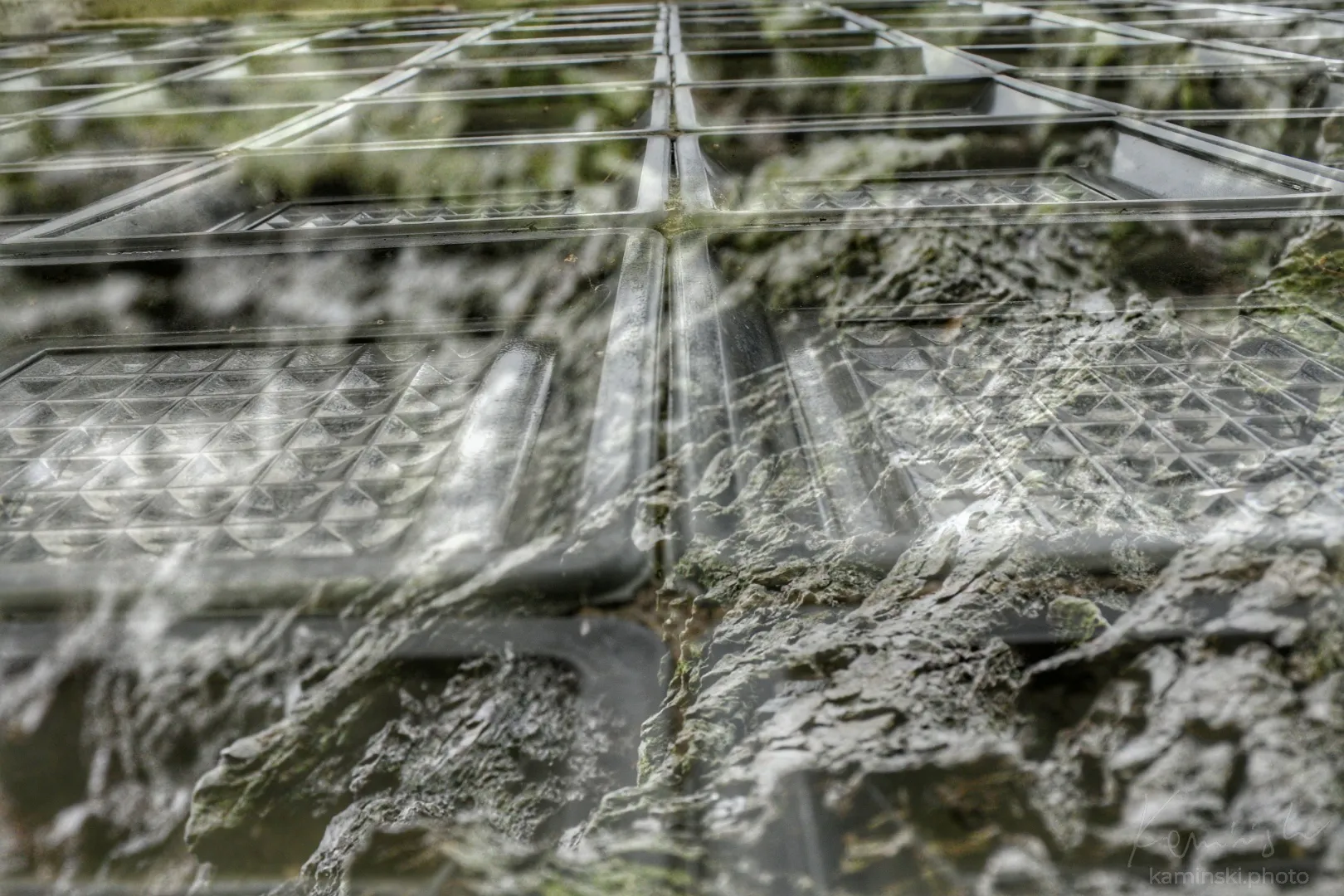
For a long time, I believed that the biggest obstacles to becoming a better photographer were external. Better equipment. More time. Better locations. More opportunities. It was comforting to think that progress depended on things I could eventually acquire. The uncomfortable truth is that the greatest obstacle has rarely been any of those things. More often than not, it has been the voice in my own head.It is a remarkably convincing voice. It tells you that your idea isn't interesting enough. That someone else has already done it better. That you should wait until your skills improve, your editing becomes more refined, or your portfolio looks more professional. It rarely tells you to stop completely. Instead, it whispers that today simply isn't the right day to begin.
The problem is that this voice sounds reasonable. It disguises fear as preparation and hesitation as high standards. It makes you believe you're being thoughtful, when in reality you're just standing still. The project remains in your notebook, the camera stays on the shelf, and another week quietly slips away. I've learned that the mind is incredibly good at predicting failure. It imagines criticism before anyone has seen the photograph. It anticipates disappointment before the shutter is even pressed. Somehow it manages to write an entire negative review of work that doesn't exist yet. The strange part is that our imagination is often far harsher than reality. Most people are not waiting to judge us. They're busy dealing with their own ambitions, insecurities, and unfinished projects. The audience we fear is usually much smaller than the one we invent.
Photography has a way of exposing this illusion. Some of my favorite images weren't planned for weeks or captured under perfect conditions. They happened because I stopped negotiating with myself, picked up the camera, and walked out the door. Action didn't eliminate uncertainty, but it left far less room for it to grow.That doesn't mean the inner critic ever disappears. Mine certainly hasn't. It still questions new ideas, quietly points out flaws, and occasionally suggests that keeping everything unfinished would somehow be safer. The difference is that I've stopped treating that voice as an authority. Just because it speaks confidently doesn't mean it's right.
Creating something always involves risk. A photograph might fail. A project might go unnoticed. An idea might not work the way you imagined. But none of those outcomes are as limiting as never finding out what could have happened. I've come to believe that confidence isn't what allows us to create. More often, creation comes first, and confidence follows much later. Sometimes after one photograph. Sometimes after a hundred. The hardest battles in photography are rarely fought with cameras. They're fought quietly, long before the lens is uncapped, in the conversation we have with ourselves.
Learning to recognize that voice without letting it make every decision may be one of the most valuable creative skills we can develop.